Calculation method
How Rectangular Volume Is Calculated
A rectangular volume comes from three lengths expressed on a compatible unit basis.
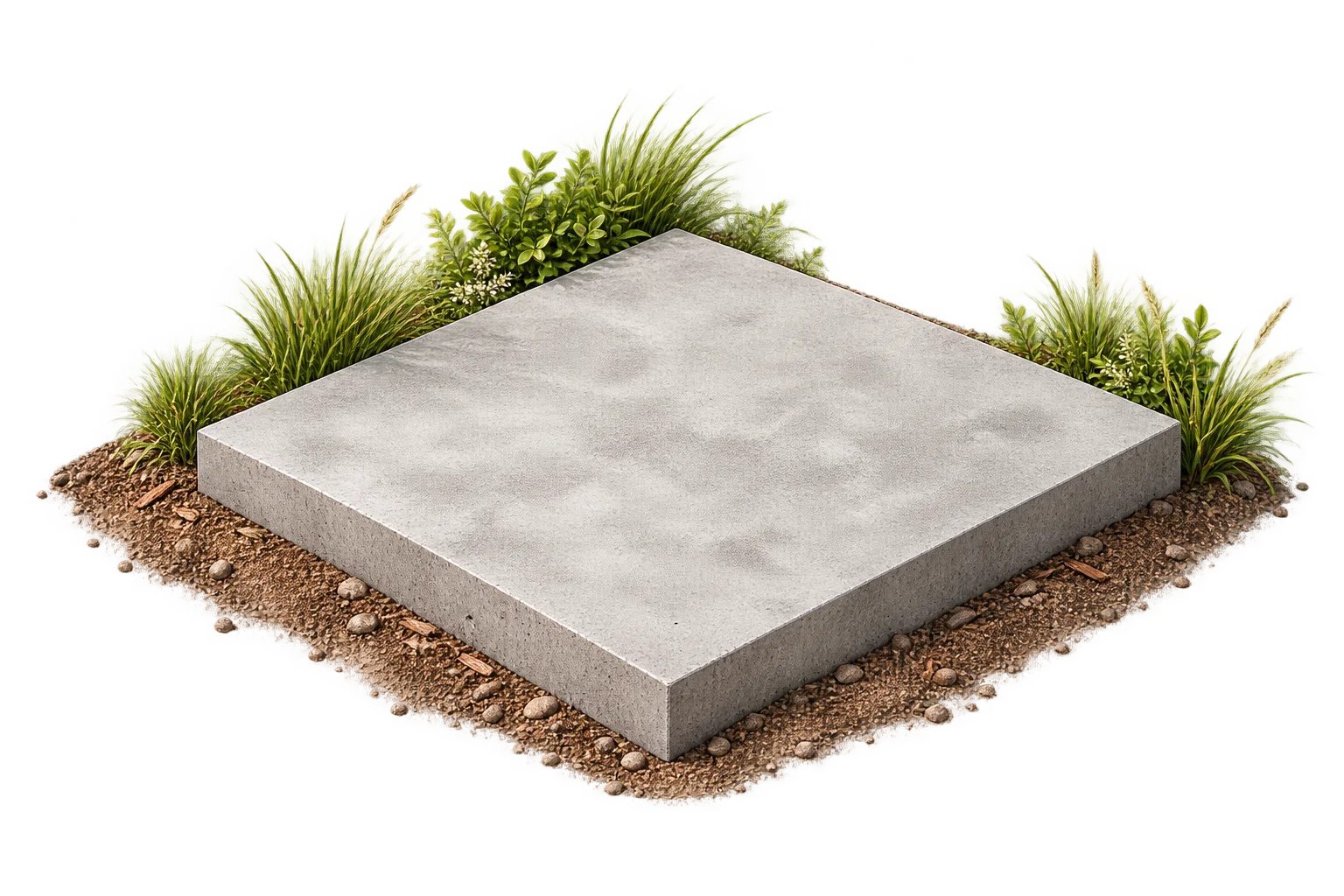
What the rectangular model represents
Imagine a footprint divided into equal units of area. Extending that footprint through a depth creates a volume. For a rectangular prism, multiplying length by width gives the footprint area; multiplying again by depth gives the volume.
The model assumes the entered depth describes the whole rectangle. If depth or outline changes, use measured sections that represent those differences. A single bounding box includes all the space inside it, including parts you may not intend to fill.
Convert lengths before multiplying
A length in metres, a width in metres and a depth in millimetres cannot be multiplied as bare numbers and labelled cubic metres. Convert the depth to metres first. A 100 mm depth is 0.1 m, so a 3 m by 2 m by 100 mm rectangle contains 0.6 m³.
Area and volume conversions use squared and cubed length factors. Changing the displayed unit should describe the same physical quantity. It should not replace the stored measurement with a rounded number and gradually change the result.
A complete rectangular example
For an illustrative 3 m by 2 m footprint and a chosen 0.1 m depth, area is 6 m² and volume is 0.6 m³. A user-selected 10% allowance adds 0.06 m³, giving a required volume of 0.66 m³.
The dimensions and allowance demonstrate arithmetic. They do not specify a suitable slab or material layer. Keep that distinction when copying an example into a real project.
Add volumes from non-overlapping sections
Suppose a second rectangle contains 0.2 m³. The combined net volume is 0.8 m³. If both use a chosen 10% allowance, the required total is 0.88 m³. You can apply the same allowance to the net total or to each unrounded section once; do not do both.
Overlapping rectangles double-count shared space. In the current slab and bulk-material forms, divide the included footprint into non-overlapping rectangles so holes and unfilled parts are left out. These forms do not have a separate deduction field. Keep each depth with the rectangle it describes.
Keep volume separate from packaging
The geometric result does not know a bag yield or a supplier order increment. Convert the required volume to a purchasing unit only after entering that specification. Preserve the unrounded required quantity until the final whole-package calculation.
Frequently asked questions
Why not round each dimension before calculating?
Rounding inputs can change the physical volume, especially across repeated sections. Use measured precision for the calculation and format the displayed result separately.
Sources and method
- PackLedge quantity methods
Original derivations using geometry, ratios, sums and whole-package rounding. Each calculator explains its assumptions and worked examples.
- NIST — SI Units ↗
Reference for length, mass, area, volume and the distinction between base and derived units.
- NIST Guide to the SI — Conversion Factors ↗
Reference for unit conversions and clear identification of metric and customary units. Exact base-unit definitions are retained in calculations rather than rounded display factors.